
Going Inside: Healing Trauma From the Inside Out
Featured episode:
Tune in on your favorite platform:

Trauma Therapy: Going Slow, Staying Curious & Safe
In this episode of Going Inside, John Clarke answers live questions about the nuances of practicing trauma therapy, from distinguishing parts with shifting emotions to working with clients who experience limited interoception or sudden activation. He explores why trauma therapy requires slowing down, following the client’s system, building a clear working agreement, and protecting client agency rather than rushing into techniques or trauma processing.
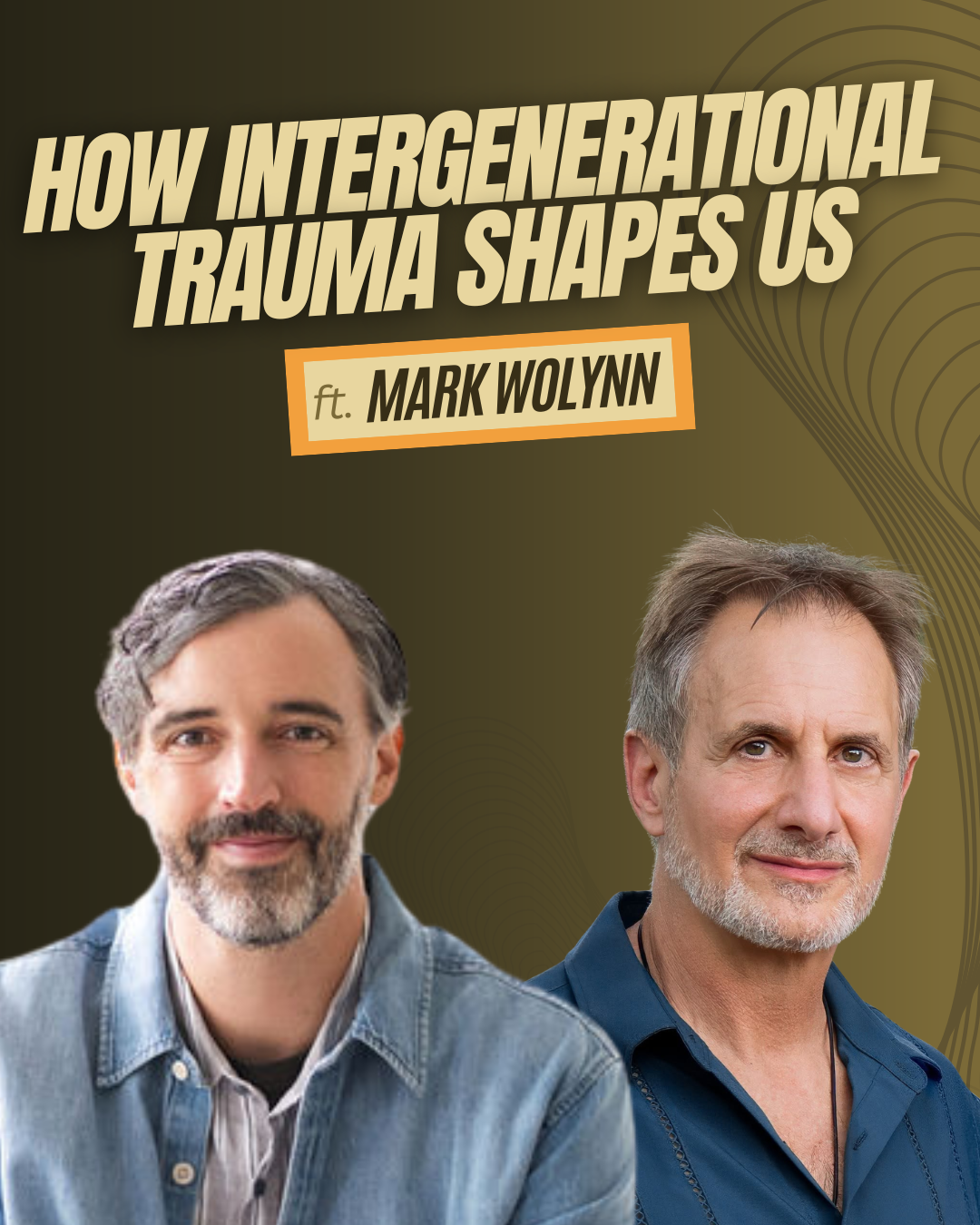
Mark Wolynn: The 'Core Sentence' Behind Inherited Trauma
In this episode, I’m joined by Mark Wolynn, leading expert in inherited family trauma and author of It Didn’t Start With You, to explore how trauma can be passed through generations and show up as anxiety, depression, compulsive behaviors, and unexplained fears. We dive into Mark’s approach to identifying trauma language, distinguishing attachment wounds from generational trauma, and using body awareness, healing sentences, and ritual to uncover and work with what may not have started with us.
Session Fatigue, Grief & Couples Work
In this live Q&A episode, trauma therapist John Clarke answers some of the most common questions therapists have about practicing Internal Family Systems (IFS), from working with grief and couples to avoiding over-intellectualization in sessions. Whether you're new to IFS or learning how to integrate it into your existing therapeutic approach, this episode offers practical guidance on staying grounded in self, trusting the process, and helping clients move beyond insight into genuine healing.
IFS Therapy: Trailheads, Transference, and Treating Firefighters
In this episode, John Clarke answers therapists' questions about applying Internal Family Systems (IFS) in real clinical practice. Learn how to begin an IFS session, recognize when your own therapist parts are activated, work skillfully with client triggers, and approach even highly protective parts with curiosity, compassion, and confidence.
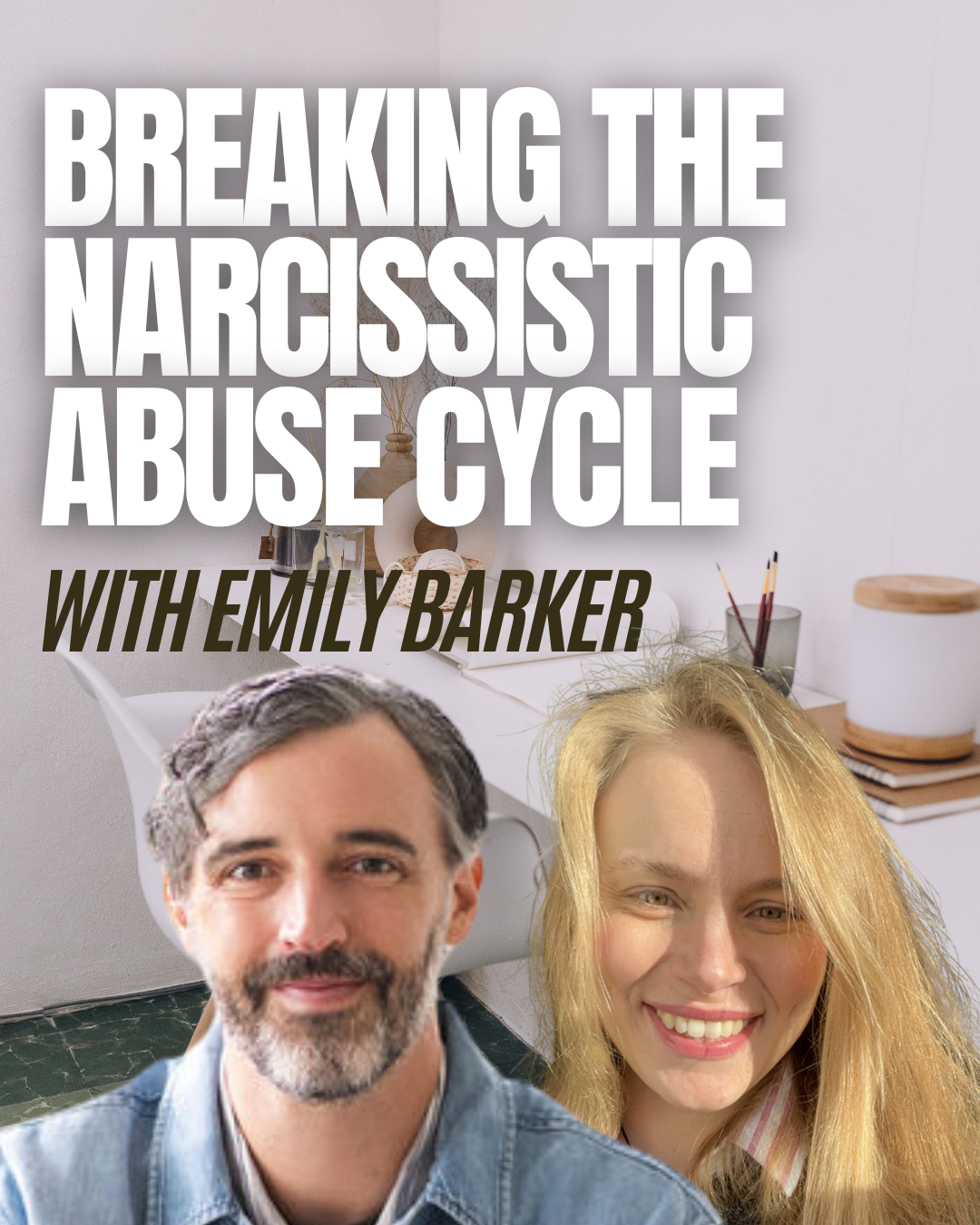
Breaking the Narcissistic Abuse Cycle
John Clarke talks with Emily Barker, founder of Emily Jane Guidance, about the narcissistic abuse cycle, trauma bonding, and why leaving isn't as simple as it looks—through both a clinical and IFS lens.
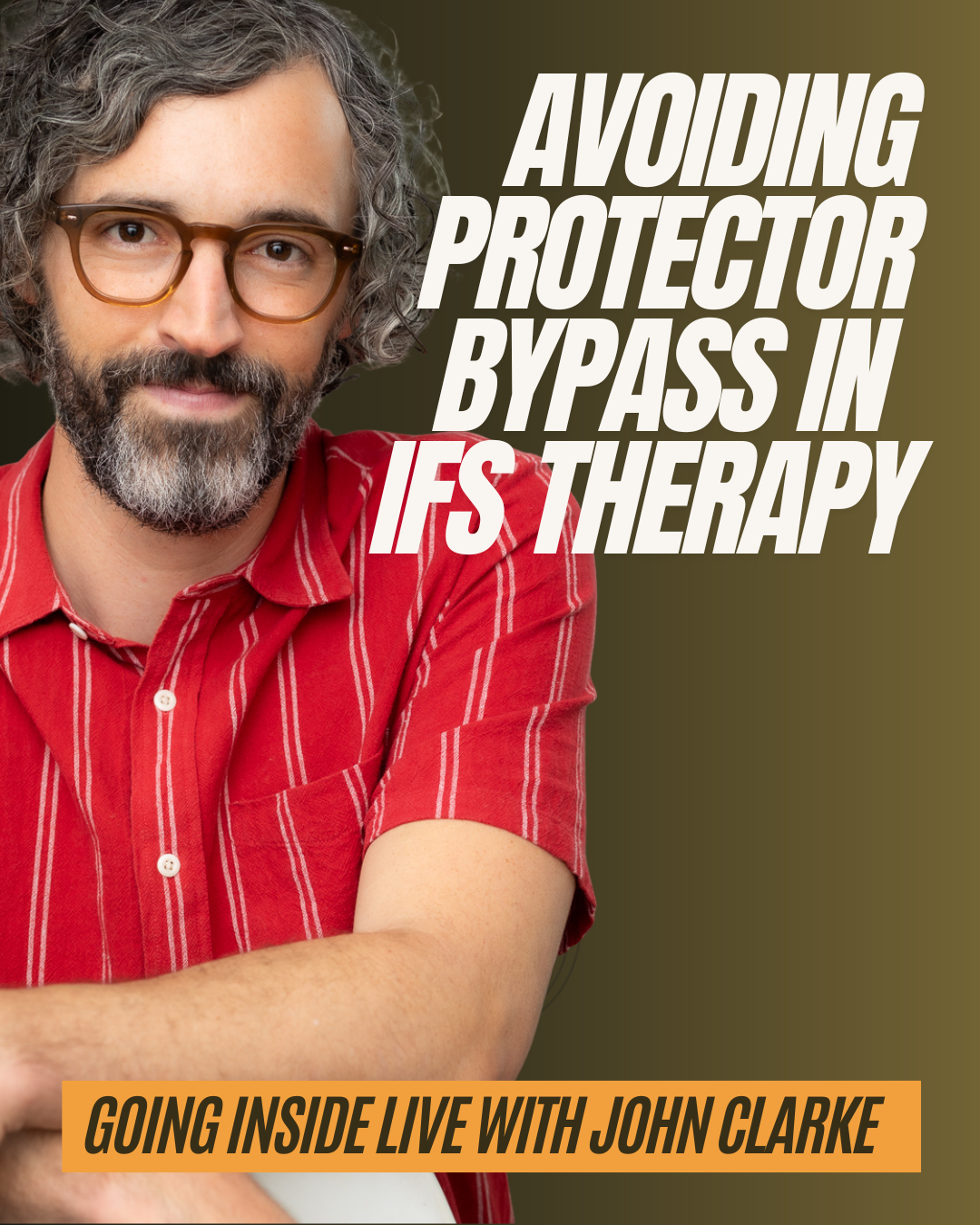
Avoiding Protector Bypass in IFS Therapy
In this episode of Going Inside Live, John Clarke answers therapist questions about some of the most common challenges in Internal Family Systems (IFS) therapy, including working with protectors, accessing exiles, recognizing self-like parts, and navigating storytelling in sessions. John explores why rushing toward exiles can undermine safety, how therapists can deepen client work without forcing the process, and what it truly means to practice from self-energy.
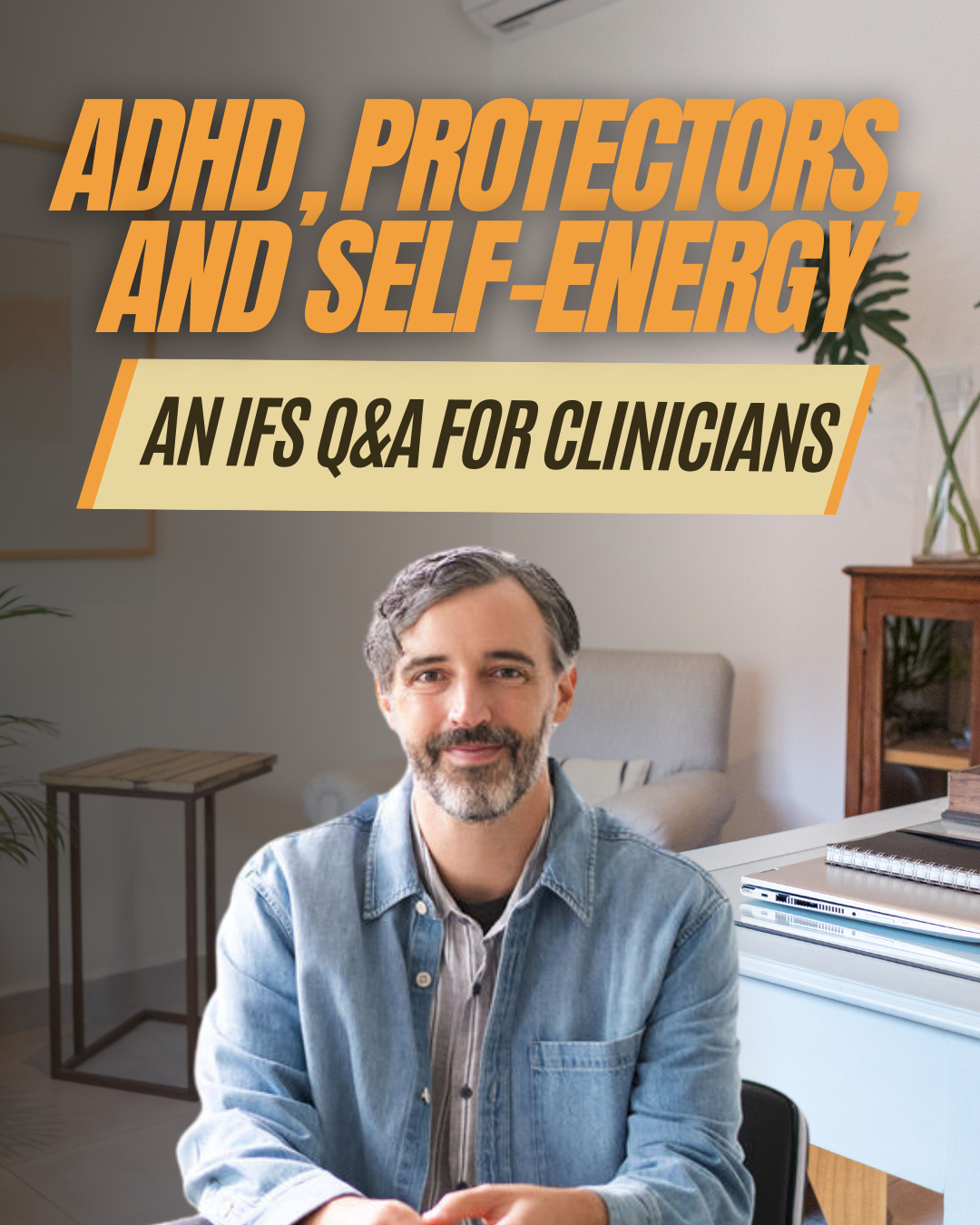
ADHD, Protectors, and Self-Energy: An IFS Q&A
In this live Q&A episode of Going Inside, John Clarke answers some of the most common questions therapists have about Internal Family Systems, including how to recognize true Self-energy, work with protectors, and navigate diagnoses like ADHD from an IFS perspective. Along the way, he shares why slowing down, honoring hesitation, and building trust with the system are often the keys to deeper healing.

Unblending and Direct Access with Mel Galbraith | Internal Family Systems
In this episode of the Going Inside Podcast, I sit down with Mel Galbraith, a Level 3 IFS therapist and COO of IFSCA, to dive into the practical side of unblending and direct access in Internal Family Systems therapy. We explore what to do when clients struggle to "drop in" or when protectors resist stepping back, and Mel shares how to approach these situations with curiosity, patience, and flexibility. We also touch on the role of self-energy in creating safety, how to avoid bypassing protectors, and the balance between sticking to the model and meeting clients where they are.