

Going Inside: Healing Trauma From the Inside Out
Featured episode:
Tune in on your favorite platform:

Mark Wolynn: The 'Core Sentence' Behind Inherited Trauma
In this episode, I’m joined by Mark Wolynn, leading expert in inherited family trauma and author of It Didn’t Start With You, to explore how trauma can be passed through generations and show up as anxiety, depression, compulsive behaviors, and unexplained fears. We dive into Mark’s approach to identifying trauma language, distinguishing attachment wounds from generational trauma, and using body awareness, healing sentences, and ritual to uncover and work with what may not have started with us.
Session Fatigue, Grief & Couples Work
In this live Q&A episode, trauma therapist John Clarke answers some of the most common questions therapists have about practicing Internal Family Systems (IFS), from working with grief and couples to avoiding over-intellectualization in sessions. Whether you're new to IFS or learning how to integrate it into your existing therapeutic approach, this episode offers practical guidance on staying grounded in self, trusting the process, and helping clients move beyond insight into genuine healing.
IFS Therapy: Trailheads, Transference, and Treating Firefighters
In this episode, John Clarke answers therapists' questions about applying Internal Family Systems (IFS) in real clinical practice. Learn how to begin an IFS session, recognize when your own therapist parts are activated, work skillfully with client triggers, and approach even highly protective parts with curiosity, compassion, and confidence.
Breaking the Narcissistic Abuse Cycle
John Clarke talks with Emily Barker, founder of Emily Jane Guidance, about the narcissistic abuse cycle, trauma bonding, and why leaving isn't as simple as it looks—through both a clinical and IFS lens.
Avoiding Protector Bypass in IFS Therapy
In this episode of Going Inside Live, John Clarke answers therapist questions about some of the most common challenges in Internal Family Systems (IFS) therapy, including working with protectors, accessing exiles, recognizing self-like parts, and navigating storytelling in sessions. John explores why rushing toward exiles can undermine safety, how therapists can deepen client work without forcing the process, and what it truly means to practice from self-energy.

ADHD, Protectors, and Self-Energy: An IFS Q&A
In this live Q&A episode of Going Inside, John Clarke answers some of the most common questions therapists have about Internal Family Systems, including how to recognize true Self-energy, work with protectors, and navigate diagnoses like ADHD from an IFS perspective. Along the way, he shares why slowing down, honoring hesitation, and building trust with the system are often the keys to deeper healing.
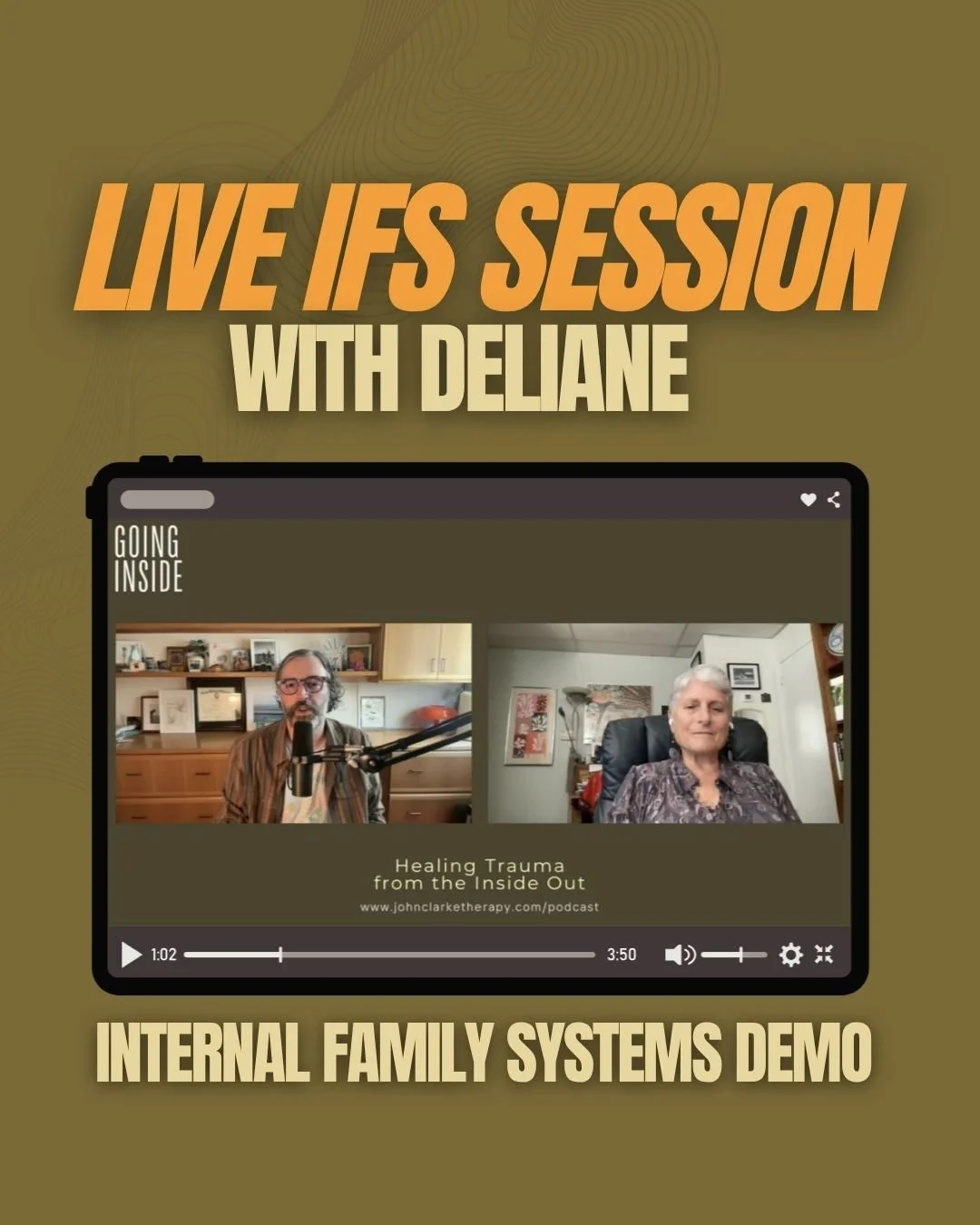
Live IFS Session with Deliane | Internal Family Systems Demo
In this live Q&A episode, John Clarke answers listener questions about IFS therapy, shame, addiction, protectors, and self-energy. He explores why therapists often burn themselves out by working harder than their clients, why slowing down is essential for healing, and what it really means to trust the client’s system in the therapeutic process.

Why Therapists Should Never Work Harder Than Clients
In this live Q&A episode, John Clarke answers listener questions about IFS therapy, shame, addiction, protectors, and self-energy. He explores why therapists often burn themselves out by working harder than their clients, why slowing down is essential for healing, and what it really means to trust the client’s system in the therapeutic process.

Why Therapists Struggle with IFS (And What Helps)
In this episode, I’m joined by Teddy Knebel, an IFS therapist and long-time Program Assistant for IFS trainings, to explore what it really looks like to grow into your voice as a therapist. We talk about the anxiety that shows up when learning IFS, how to relate to parts that want to “get it right,” and why trusting your own unique style is essential to effective therapy. If you’re new to IFS or looking to deepen your practice, this conversation will help you feel more grounded, confident, and connected in your work.

Stop Guessing: Real vs Fake Parts Work in IFS
In this live Q&A episode, John Clarke dives into one of the most common (and important) questions in Internal Family Systems (IFS): how to distinguish authentic parts communication from imagined responses. He explores what real connection feels like, why “waiting and listening” matters, and how to spot when a client is genuinely accessing parts versus performing or guessing.
John also unpacks key challenges therapists face in session, including working with analytical clients, navigating multiple parts without shutting them down, and responding to dissociation with more care and curiosity. This episode is packed with practical insights to help you deepen your IFS work and avoid common pitfalls.
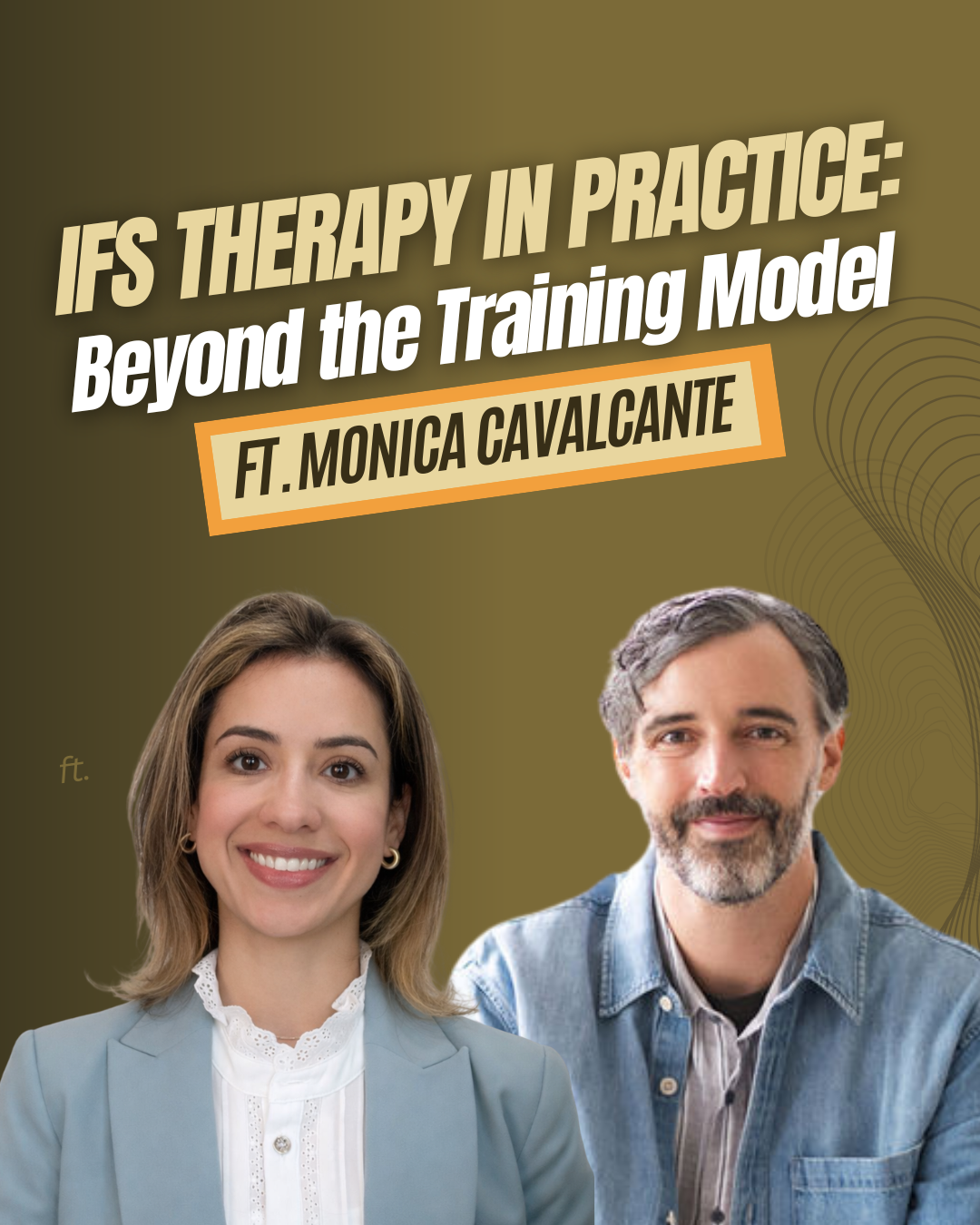
IFS Therapy in Practice: Beyond the Training Model
What happens when the IFS model meets real-world therapy?
In this episode of Going Inside, I sit down with Monica Cavalcante, LCSW, to explore the gap between learning Internal Family Systems (IFS) and actually practicing it with clients. From navigating complexity in the therapy room to recognizing the limits of technique, this conversation goes beyond the model—and into what truly makes the work effective.
We talk about the moments that don’t follow the script, the parts of the process that can’t be taught in a training, and the subtle shifts that change everything in a session.
If you’re a therapist, trainee, or someone curious about IFS, this episode will challenge how you think about “doing it right”—and invite a different way of approaching the work.

Stop Fixing Yourself & Your Clients: An IFS Meditation
In this guided IFS meditation, John Clarke invites you to slow down and shift out of the habit of trying to fix yourself. Instead, you’ll practice simply being with what’s present—your thoughts, sensations, and parts—without judgment or urgency to change anything.
This is the same process you’re inviting your clients into.
Through gentle awareness, body-based attention, and pendulation between discomfort and ease, this meditation offers a direct experience of what it means to relate differently to your internal world—something you can begin to model and bring into your clinical work.
Whether you're a therapist or on your own healing journey, this short practice is a powerful reminder: transformation doesn’t come from fixing—it comes from being with.
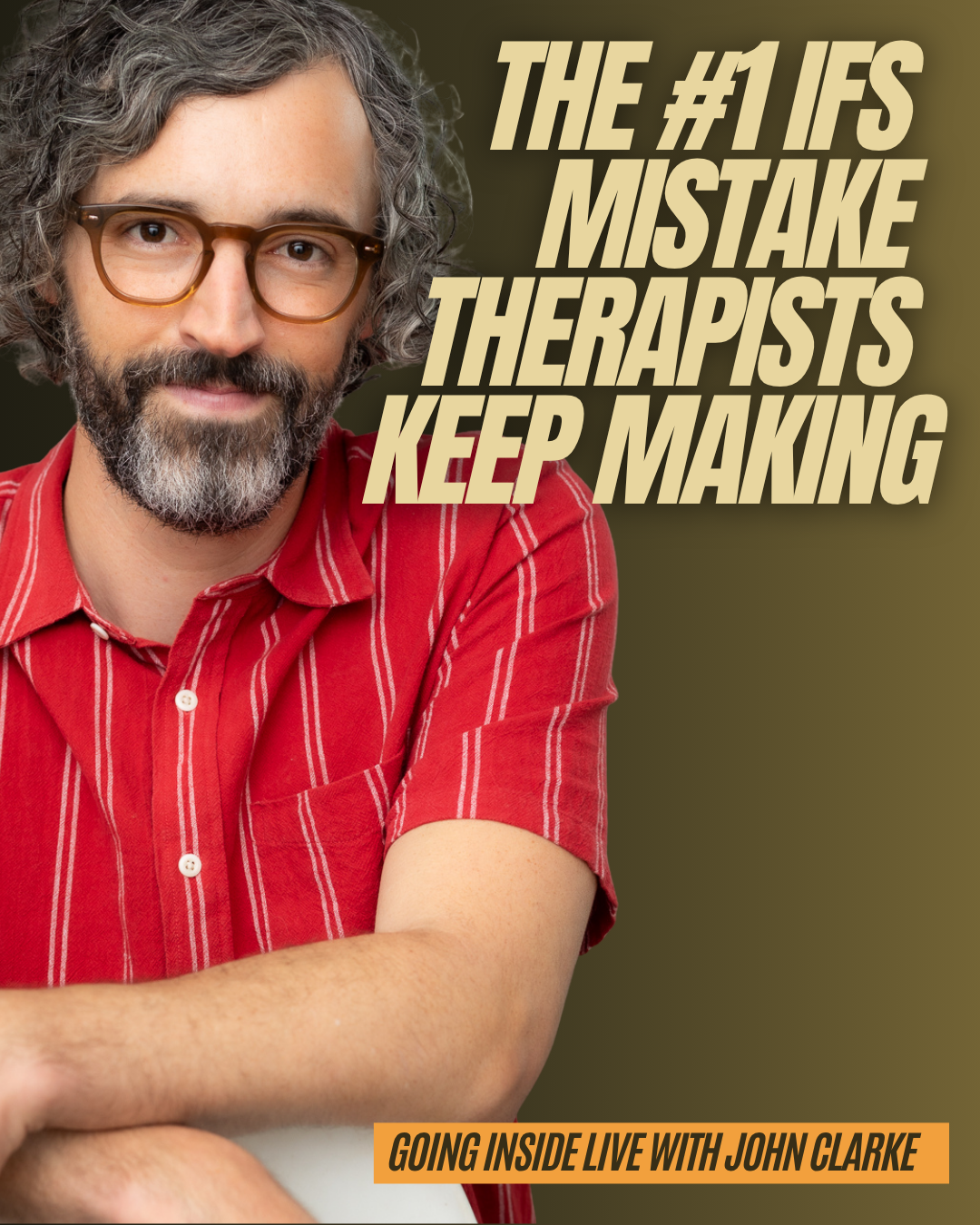
The #1 IFS Mistake Therapists Keep Making
In this live Q&A episode, John Clarke dives into one of the most common—and often overlooked—mistakes therapists make when practicing Internal Family Systems (IFS). From working with persistent protectors to recognizing when therapy feels stuck, John shares practical insights to help therapists deepen their work, stay relational with parts, and foster true self-leadership in their clients. If you’ve ever wondered why your IFS work isn’t creating the change you expect, this episode offers a powerful reframe.
A 10-Minute IFS Parts Meditation for Self-Compassion
In this short guided meditation, John Clarke invites you to slow down and gently notice the different parts of yourself that may be active right now. Some parts may want to fix, push, or change things, while others may feel frozen, hopeless, or overwhelmed.
Through the lens of Internal Family Systems (IFS), this meditation offers a simple practice of turning toward your inner experience with curiosity and compassion. Rather than trying to change what you’re feeling, you’re invited to simply be with the parts of you that need attention and care.
What might happen if, at your core, you were made of love—and that love could be offered to the parts of you that need it most?
This brief practice can help you reconnect with yourself in difficult moments and remind you that you can always return to a place of presence, compassion, and inner connection.

IFS Therapy: Parts Work, Panic & Protectors
In this episode, John Clarke answers therapists’ questions about applying Internal Family Systems in real clinical situations. Topics include working with Dissociative Identity Disorder (DID), perfectionistic protector parts, and fear-based panic responses. John also shares a simple lens that can change how therapists understand client behavior.